THREADS OF EARTH, HANDS OF HERITAGE
Ponduru × Bagru × Parvai
Across India’s vast craft landscape, two traditions stand out for their depth, purity, and unbroken intimacy with the earth, Ponduru Khadi and Bagru hand block printing. Though separated by geography and climate, these two centres of craftsmanship share a devotion to slow, intentional processes and natural materials. They are held together by the integrity of artisan communities who, for generations, have preserved their practices through discipline, devotion, and an unspoken reverence for the land. At Parvai, these worlds come together, creating textiles that honour not only beauty but also memory, community, and the unseen labour that keeps heritage alive.
PONDURU, WHERE THE THREAD IS BORN
In a quiet corner of Andhra Pradesh, just 30 kilometres from Srikakulam, lies the humble village of Ponduru, a name long associated with some of India’s finest khadi. This is the khadi that Mahatma Gandhi cherished: soft, breathable, intimate, and produced with astonishing purity. The cotton used here is a naturally pest-resistant short-staple hill variety, grown without chemicals, and carefully harvested by families who have tended these fields for generations.
Its transformation begins with an extraordinary gesture of heritage: the cotton is ginned using the jawbone of the Valuga fish, a technique indigenous to Ponduru alone. Once separated, the fibre is fluffed, hand-cleaned, and carded before being stored in dried banana stems, nature’s own containers that preserve softness and texture. The fibre is then hand-spun on the Ambar Charkha, a quiet wheel whose steady rhythm draws cotton into yarn with a meditative grace. Every slight irregularity in the thread is a mark of authenticity, a fingerprint of handwork that adds depth and soul to the fabric.
The yarn is woven on the traditional three-shuttle loom, a technique that allows the body, border, and pallu to move in perfect harmony. Only a handful of weavers continue to use this method, making each sari not just a textile but an act of cultural preservation. Yet Ponduru stands at a vulnerable juncture today. Low wages, limited recognition, and the encroachment of synthetic textiles have slowly eroded the younger generation’s interest in the loom. A village once filled with spinning wheels and handlooms now echoes with memories more than activity. And still, Ponduru Khadi remains one of India’s strongest, most luxurious, and most earth-rooted fabrics, a perfect canvas for meaningful craft.
BAGRU, WHERE THE PATTERN IS WRITTEN
Several states away, in the historic town of Bagru on the outskirts of Jaipur, another ancient rhythm breathes through courtyards, dye pits, and printing tables. Bagru is home to the Gawanrbali Dabu tradition, a centuries-old resist-printing technique where mud, sunlight, wood, and natural dyes come together to create patterns as old as the settlement itself. The printing process in Bagru thrives through an ecosystem of artisan communities that work in quiet interdependence.
The block carvers, traditionally from the Kharaudi community, transform sheesham wood into delicate blocks, many no larger than three or four inches, yet dense with detail. The Chhipa printers, inheritors of generations of mastery, place these blocks meticulously across lengths of fabric, their movements guided by muscle memory and meditative precision. The Dhobi community undertakes the rigorous cycles of washing that prepare and purify the cloth at every stage. The Rangrez dyers coax colour from minerals, roots, seeds, and fruit, indigo, madder, kashish, pomegranate, harda, iron, and jaggery—building a palette entirely free of chemicals.
When these natural dyes meet pure Ponduru Khadi, they reveal a depth and richness that machine-made textiles cannot hold. Khadi’s hand-spun, hand-woven structure absorbs natural dyes with an intensity that makes every tone, whether madder, syahi, or kashish, appear deeper, fuller, and more resonant. This remarkable dye uptake not only elevates the quality of the fabric but also gives the sari a commanding presence: a true expression of power dressing rooted in heritage.
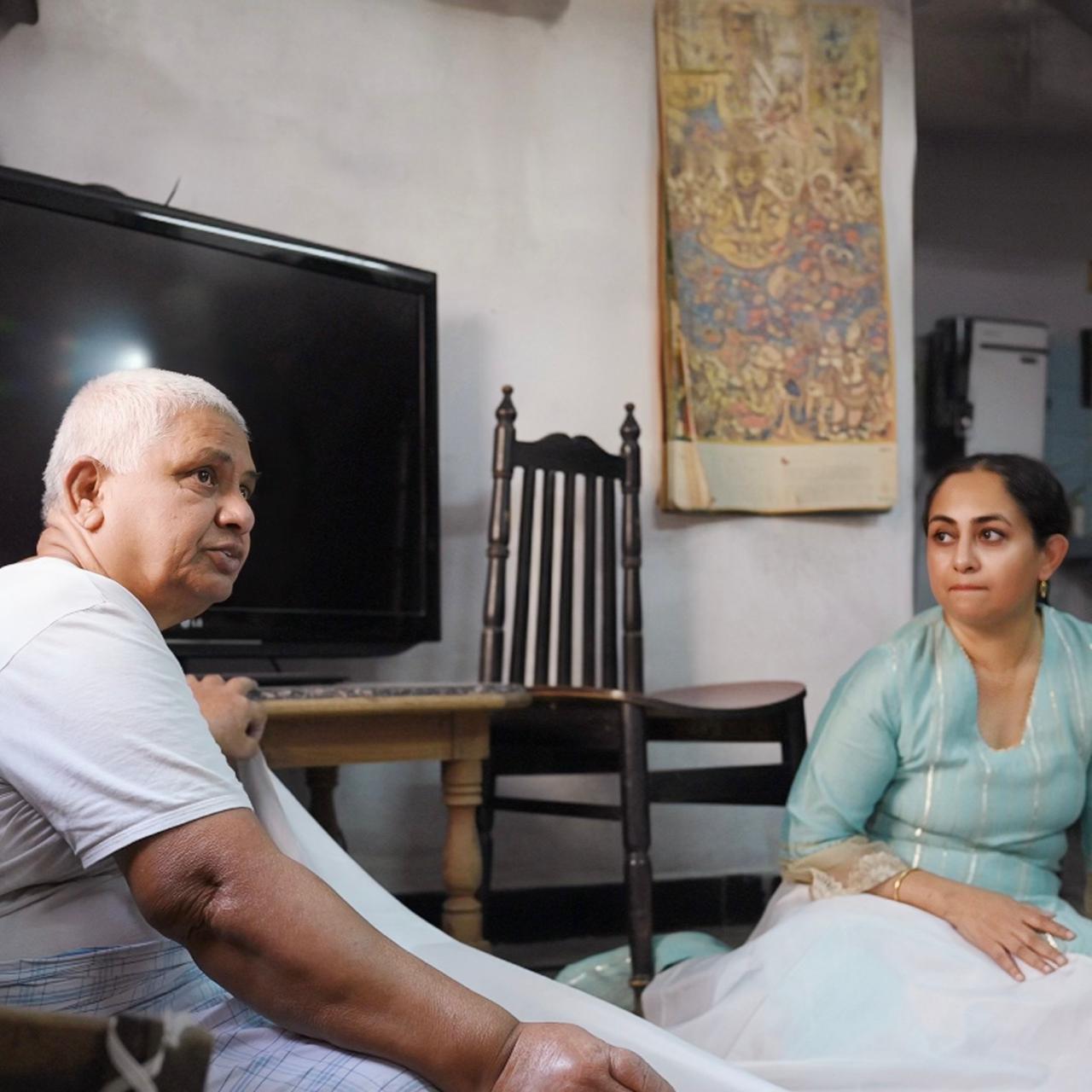
Anchoring this lineage of excellence is the atelier of Padmashree and National Award–winning master Ramkishore Derawala, whose family has safeguarded Bagru’s most sacred printing techniques for generations. His workshop stands as a living archive of authentic vegetable-dyed printing and continues to shape Bagru’s identity as a global centre of artisanal brilliance.
PARVAI’S DARIYA PROJECT, A MEETING OF EARTH & SOUL
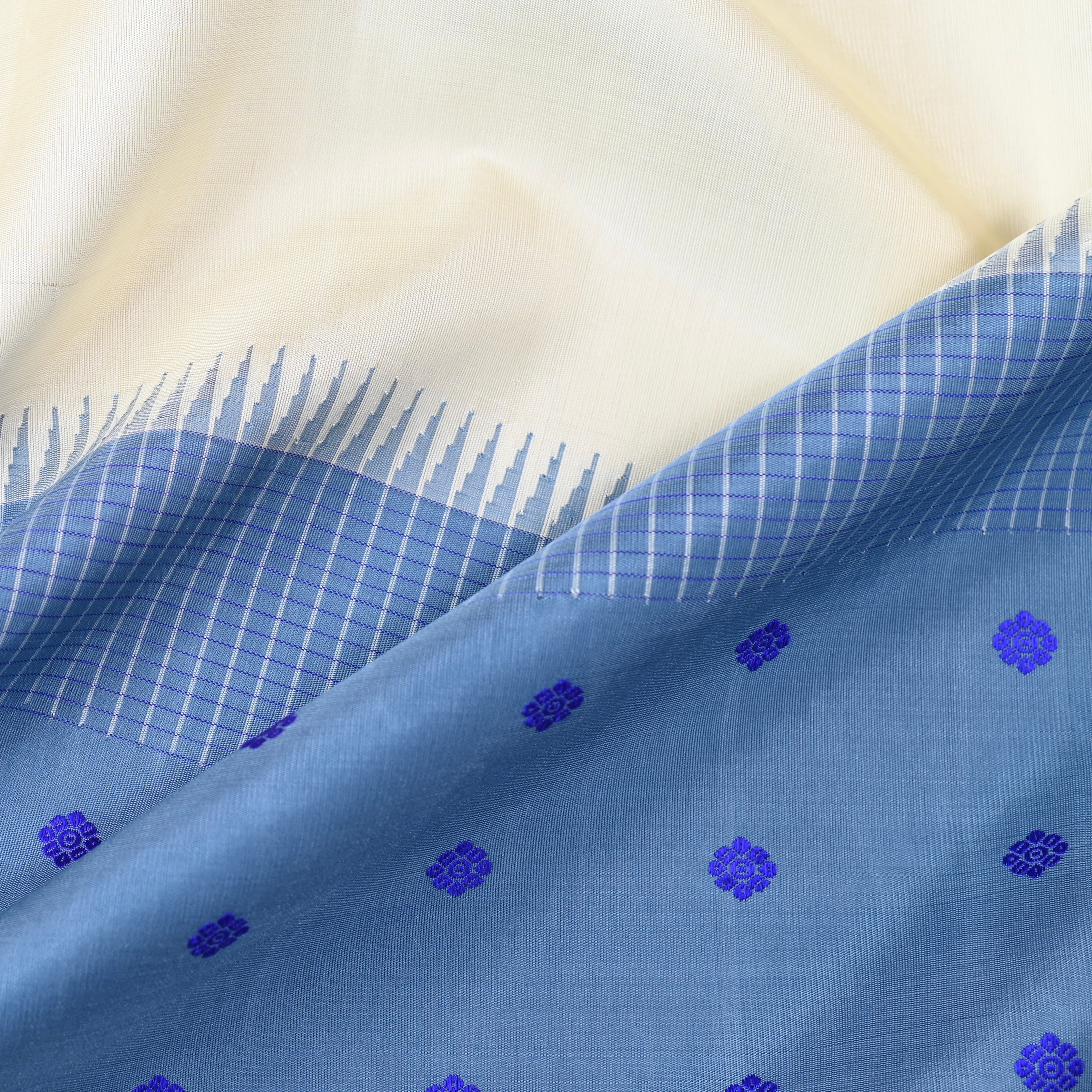
In Parvai’s Dariya Project, Ponduru and Bagru come together in one seamless dialogue of craft. Ponduru contributes the breath of the sari, a yarn spun by hand, filled with softness, integrity, and earth-born strength. Bagru contributes its vocabulary, patterns shaped by soil, sun, and centuries of human imagination. When these two traditions meet, the result is a textile that feels alive and deeply human.
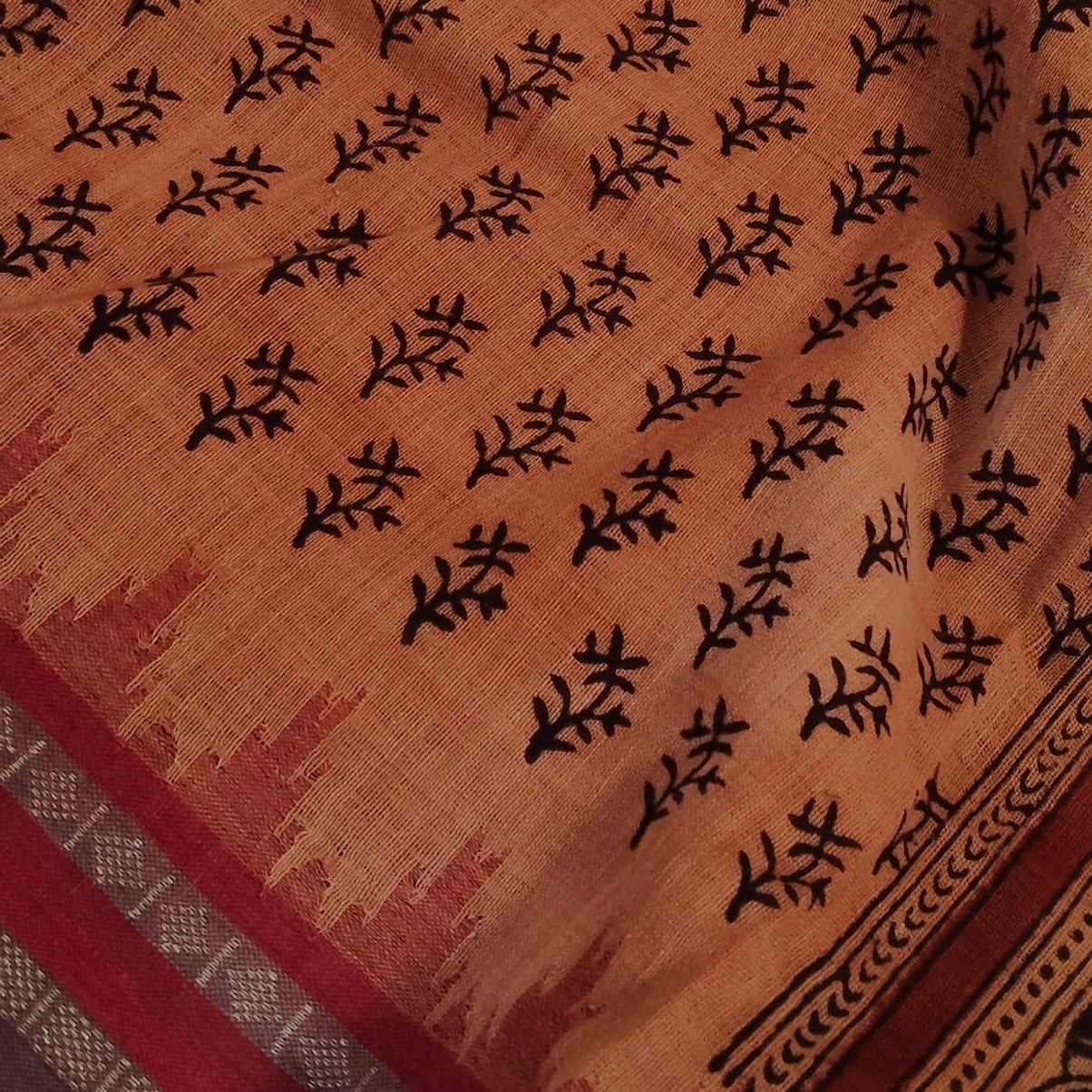
The Dariya Project pays homage to ancient Pharad, Fadat, and Farad motifs, bringing forward the vocabulary of Bagru’s printing ancestors. The process itself is slow and profoundly meditative. Layers of Dabu resist are applied by hand; the fabric is dried in the open air, washed in wells, dipped repeatedly in natural dye vats, and printed with blocks used for generations. Every stage is a testament to patience, precision, and reverence for process, a collaboration not just between artisans, but between families, communities, and the land itself.
These saris remind us that true craft is not a product. It is a slow revolution. It is what humans create when they choose intention over speed, meaning over convenience, and heritage over trend.
WHEN PONDURU & BAGRU COME TOGETHER
In every Dariya sari, the thread carries Ponduru’s purity, the pattern carries Bagru’s history, and the soul carries India’s craft heart. These saris are not merely worn; they are lived, inherited, honoured, and remembered. Their creation is not a design experiment, but a cultural responsibility. It is an act of preserving two endangered traditions and celebrating the artisans whose hands hold this knowledge with quiet dignity.
Above all, Parvai promises to join the larger movement with so many committed citizens of the world to protect the earth’s oldest crafts, to honour the hands that shape them, and to ensure that every sari becomes a river that carries our heritage forward.
THE HIGHLIGHT
Our collection of khadi saris draws inspiration from a remarkable set of Ponduru khadis created over 60 years ago by Shri Ramkishore Derawala. Those originals, printed with an artistry far ahead of their time, became the foundation of our vision. Today, that legacy continues through his grandson, the 24-year-old Arind Derawala, who has reinterpreted those very prints with deep respect, patience, and intention, printing them once again on pure Ponduru Khadi, just as his grandfather did generations ago.

Written by Effie Thomas